
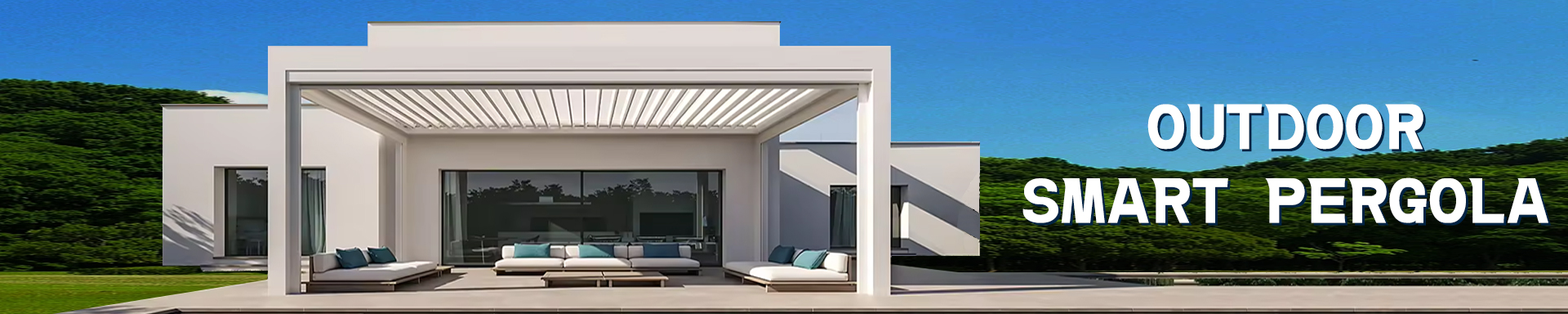
1. Choosing the Right Size and Dimensions
Selecting the correct size and dimensions is the first step in ensuring your Aluminum Pergola fits perfectly in your outdoor space while providing both style and functionality. Proper planning avoids wasted materials, excessive costs, and installation headaches.
1.1 Measuring Your Outdoor Space
Before shopping, measure your patio, deck, or backyard area carefully. Use a tape measure to get precise length and width, and note any obstacles such as trees, fences, or uneven terrain. For multi-level yards or sloped surfaces, consider leveling options or adjustable pergola feet to ensure stability.
-
Sketch the space on paper or use a digital design tool.
-
Mark key access points like doors, walkways, and utilities.
-
Ensure at least 3 feet of clearance around the pergola for comfortable movement and furniture placement.
These steps allow you to choose a pergola that complements your outdoor layout without overcrowding or leaving awkward gaps.
1.2 Standard Sizes vs Custom Designs
Standard aluminum pergolas come in common widths like 10x10 ft, 12x12 ft, or 10x20 ft, which simplifies ordering and reduces lead times. Custom designs, on the other hand, allow you to match unique layouts but often increase material costs and labor.
| Size Type | Typical Width x Length | Pros | Cons |
|---|---|---|---|
| Small Standard | 10x10 ft | Lower cost, faster delivery | Limited coverage |
| Medium Standard | 12x12 ft | Balances coverage and cost | May need minor adjustments |
| Large Custom | 15x20+ ft | Fits unique spaces, fully tailored | Higher cost, longer fabrication |
Choosing between standard or custom sizes depends on your budget, site constraints, and desired coverage. Sometimes a hybrid approach works best—standard base dimensions with minor custom adjustments.
1.3 Height and Clearance Considerations
The height of your pergola affects usability, airflow, and visual appeal. Standard ceiling heights range from 7 to 9 feet, but if you plan to include Aluminum motorized pergola features or hanging lights, consider 9–10 feet for safe clearance.
-
Maintain at least 8 feet of headroom for walkways under the structure.
-
If installing near a home or fence, leave 1–2 feet of space from walls to avoid water runoff issues.
-
For patios with outdoor furniture, ensure that tall chairs, umbrellas, or heaters fit comfortably under the pergola.
Combining Aluminum pergola house elements with careful dimension planning creates a functional outdoor living area without feeling cramped, while giving you flexibility to add accessories like lighting, retractable shades, or planters.
By carefully measuring your space, selecting the right size type, and accounting for proper height and clearance, you ensure your aluminum pergola looks proportional, fits seamlessly, and maximizes comfort for daily use.
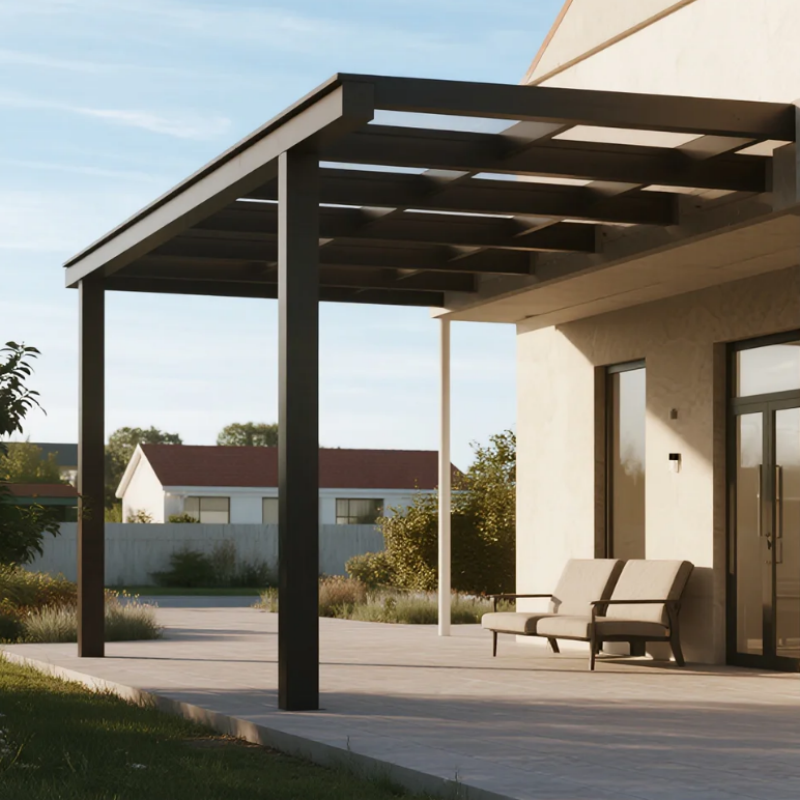
2. Selecting Materials and Finishes
Choosing the right materials and finishes is crucial to ensure your Aluminum Pergola stands the test of time while looking elegant. The combination of aluminum grade, coating, and weatherproofing determines both durability and long-term maintenance. Making informed choices here can prevent corrosion, fading, and structural issues down the line.
2.1 Aluminum Grades and Durability
Aluminum alloys differ significantly in strength, corrosion resistance, and cost. 6061-T6 and 6063-T5 are the most common grades for outdoor pergolas:
| Alloy | Typical Use | Strength & Durability | Cost Impact |
|---|---|---|---|
| 6061-T6 | Heavy-duty structures | High strength, excellent corrosion resistance | +15–20% |
| 6063-T5 | Standard residential pergolas | Moderate strength, good corrosion resistance | Base |
When designing a patio or deck, choose 6061-T6 for large spans or areas exposed to heavy weather, while 6063-T5 works well for small to medium-sized pergolas. For example, a modern aluminum pergola installed near the coastline should always use 6061-T6 to withstand salt air exposure.
2.2 Powder-Coating and Color Options
Powder coating enhances both aesthetics and protection. Options include standard colors like black, white, or bronze, as well as custom shades that complement your outdoor décor. Key points to consider:
-
Durability: Look for coatings with a minimum thickness of 60–80 microns, ensuring resistance to scratches and UV fading.
-
Finish Type: Smooth, textured, or metallic finishes provide different visual effects; textured finishes often hide minor scratches better.
-
Maintenance: Powder-coated surfaces require simple washing with mild soap and water, keeping the pergola looking new for years.
If you prefer a sleek contemporary look, combining a light-colored powder coat with a Aluminum Modern Gazebo element can dramatically elevate your outdoor space while remaining low-maintenance.
2.3 Weather-Resistant Features
Weatherproofing ensures your pergola withstands wind, rain, and sun without warping or corrosion. Consider these options:
-
Rainwater Management: Integrated gutter systems prevent water pooling.
-
UV Protection: Coatings with UV inhibitors reduce color fading over time.
-
Optional Sealants: Clear sealants or anodized finishes add an extra barrier against oxidation.
For high-humidity or coastal regions, combining high-grade aluminum with powder coating and sealants guarantees longevity and minimal upkeep. This approach allows you to enjoy a durable outdoor aluminum patio cover without worrying about frequent maintenance or repainting.
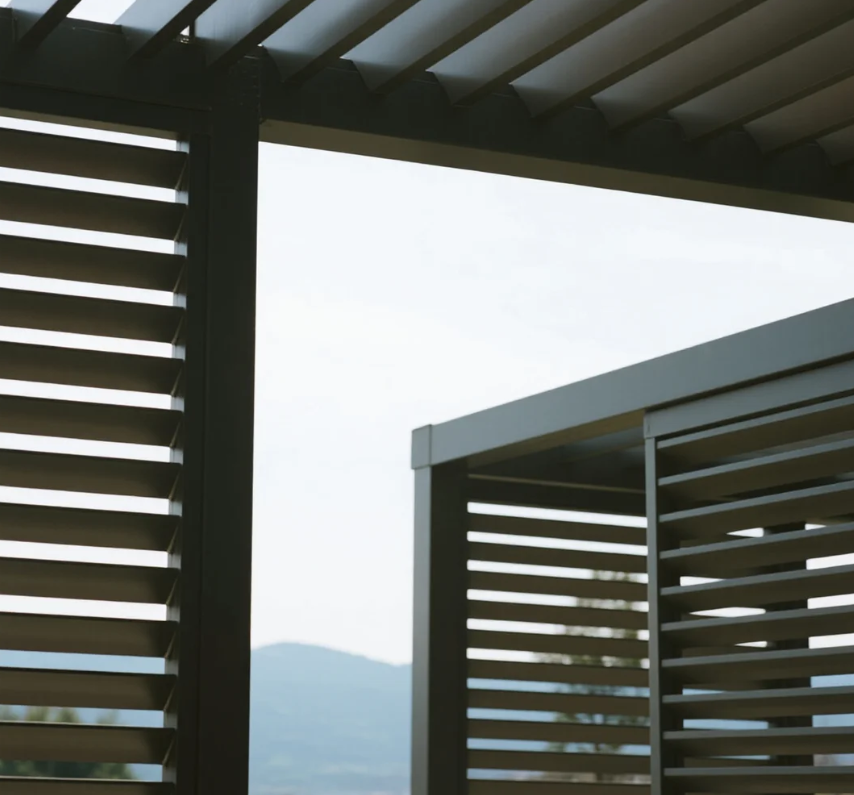
3. Roof and Covering Options
Selecting the right roof and covering is essential for your Aluminum Pergola because it directly affects comfort, usability, and protection against weather elements. The roof type determines how much sunlight, rain, or wind your outdoor space will handle, and choosing wisely ensures long-term satisfaction.
3.1 Fixed Roof vs Retractable Louvers
Fixed roofs are solid panels, typically aluminum or polycarbonate, offering permanent shade and maximum rain protection. Retractable louvers, however, provide adjustable coverage, letting you control sunlight and airflow. Here's a quick comparison:
| Roof Type | Advantages | Considerations |
|---|---|---|
| Fixed Roof | Full rain protection, robust | No sunlight adjustment, permanent structure |
| Retractable Louvers | Adjustable sunlight, ventilation control | Slightly higher cost, mechanical components may need maintenance |
For example, if you live in a region with frequent rainfall, a fixed roof guarantees dry outdoor gatherings, while a retractable louver system is ideal for sunny climates where airflow and shade control are desired.
3.2 Motorized or Manual Systems
Retractable roofs come in manual or motorized options. Motorized systems use electric motors, often integrated with remote controls or smart home automation, offering effortless operation. Manual systems rely on hand cranks or pulley mechanisms.
-
Motorized pergolas allow precise adjustment with a button, ideal for those who entertain frequently or want convenient seasonal control.
-
Manual systems are cost-effective and reliable but require physical effort, which may be a consideration for larger spans.
A Aluminum motorized pergola can be programmed to close automatically during rain or high wind, providing both convenience and safety without constant supervision.
3.3 Shade and Rain Protection Considerations
Beyond roof type, think about how your pergola interacts with sunlight and precipitation:
-
Sunlight Management: Louvers allow adjustable sun exposure, while fixed roofs may require additional shade cloths or retractable side panels.
-
Rainwater Handling: Ensure gutters or sloped designs direct water away from furniture and walking areas.
-
Ventilation: Proper airflow under the roof reduces heat buildup during summer months, making your outdoor space comfortable year-round.
By combining thoughtful roof choice with proper installation and optional drainage features, your aluminum patio cover can maximize outdoor usability in any weather, turning your backyard into a versatile, comfortable living area.
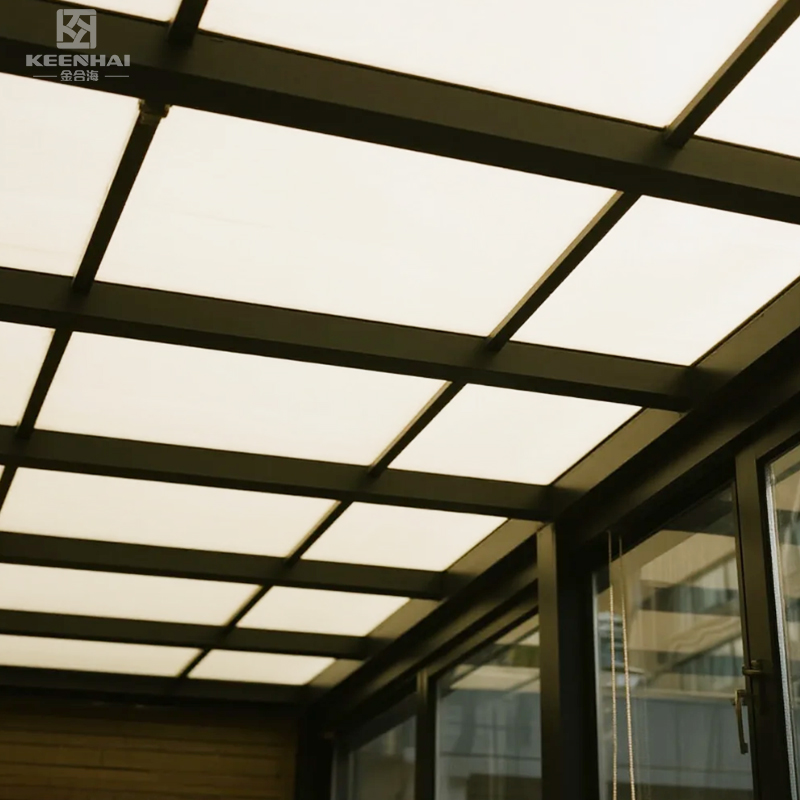
4. Optional Features and Accessories
Adding optional features to your Aluminum Pergola can dramatically enhance comfort, convenience, and visual appeal. While basic pergolas provide shade and structure, integrating functional accessories transforms your outdoor area into a versatile living space.
4.1 Integrated Lighting and Electrical Add-ons
Lighting and electrical options extend usability into evenings and improve ambiance. Options include LED strips, spotlights, ceiling fans, or power outlets. Key considerations:
-
Plan your layout: Decide where you want light coverage and electrical access points.
-
Choose energy-efficient LEDs: They reduce electricity use and last longer, often exceeding 50,000 hours.
-
Safety first: Ensure all electrical installations comply with outdoor wiring standards and are protected from moisture.
For example, integrating warm LED strips along pergola beams creates a cozy evening setting, while strategically placed outlets allow for small appliances, heaters, or even a projector for outdoor movies.
4.2 Built-in Seating and Planters
Custom aluminum pergolas can include built-in benches, raised planters, or multi-functional seating, optimizing both space and style.
-
Seating: Choose durable materials that withstand outdoor exposure, such as treated wood, composite boards, or powder-coated metal.
-
Planters: Incorporate drainage holes and use lightweight soil mixes to avoid overloading the structure.
-
Layout tips: Position seating to maximize shade and sightlines, especially if combining with a Aluminum pergola house for entertaining.
Built-in features streamline the design, prevent clutter, and add a custom, cohesive look without needing separate furniture.
4.3 Automation and Smart Home Integration
Modern pergolas can incorporate motorized roofs, automated lighting, and smart sensors for weather detection:
-
Motorized louvers: Open or close remotely via a smartphone or remote control.
-
Lighting automation: Schedule lighting to turn on/off at specific times or adjust based on sunset.
-
Weather sensors: Rain or wind sensors can trigger automatic closure of louvers or retractable shades, protecting both the pergola and furniture.
A motorized aluminum pergola with smart home integration enhances convenience, reduces maintenance concerns, and ensures your outdoor space is always ready for use, rain or shine.
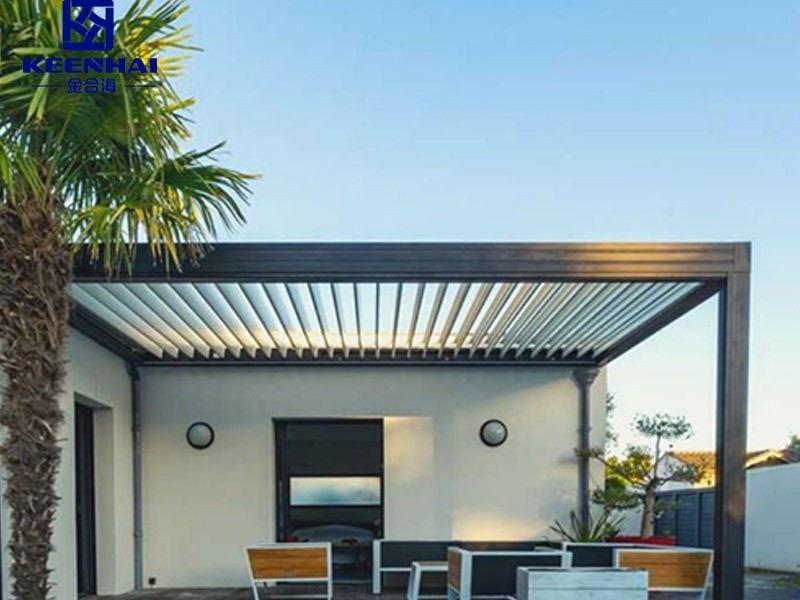
5. Budgeting and Cost Optimization
Managing costs while maintaining quality is key when planning your Aluminum Pergola. Thoughtful budgeting ensures you get a durable, functional, and visually appealing structure without overspending. Understanding price ranges, material trade-offs, and installation strategies helps make informed decisions.
5.1 Price Ranges for Small, Medium, and Large Pergolas
Pergola costs vary widely depending on size, materials, and additional features. Here’s a detailed breakdown:
| Pergola Size | Typical Dimensions | Average Cost Range | Notes |
|---|---|---|---|
| Small | 8–10 ft width, 8–12 ft length | $1,500–$3,000 | Ideal for compact patios or balconies |
| Medium | 12–14 ft width, 12–16 ft length | $3,000–$6,000 | Balances coverage and budget, often includes standard features |
| Large/Luxury | 16–20 ft width, 16–24 ft length | $6,000–$15,000+ | Allows motorized roofs, custom seating, integrated lighting, or Aluminum motorized pergola options |
These ranges are realistic market estimates for high-quality aluminum structures with standard powder-coated finishes and basic installation. Custom designs or high-end features will naturally increase costs.
5.2 Cost vs Quality Trade-offs
Choosing materials and features impacts long-term durability and appearance. Cheaper alloys may save upfront costs but often result in warping, fading, or corrosion within a few years. Investing slightly more in 6061-T6 aluminum, premium powder coating, or integrated drainage systems reduces maintenance and extends lifespan.
-
High-quality components: Resist UV, corrosion, and mechanical wear.
-
Mid-range options: Use standard alloys with basic coatings; suitable for less exposed areas.
-
Low-cost options: May save $500–$1,000 upfront but increase maintenance and replacement risks.
Prioritizing quality over initial cost ensures your outdoor space remains functional and attractive for a decade or more.
5.3 Tips for Reducing Installation Expenses
-
Prepare your site in advance: Clear debris, level the ground, and plan drainage to avoid unexpected labor costs.
-
Consider partial DIY: Tasks like mounting anchors or assembling sections can reduce professional labor hours.
-
Combine features strategically: Integrate lighting, seating, or planters during initial installation rather than retrofitting later.
-
Select standard sizes when possible: Custom dimensions are more expensive; standard sizes save material and labor costs.
By following these strategies, you can maximize value without compromising durability or aesthetics, ensuring your aluminum pergola remains a functional and beautiful outdoor asset.